India is planning to modify the sampling design and questionnaire of its (PLFS) from January 2027 to improve data on digital , unpaid household activities and changing population patterns.
The revised design will create a separate Second Stage Stratum for digital platform workers. The move follows the experience of PLFS 2026, which showed that the existing sampling arrangement did not identify enough platform workers.
The current Second Stage Stratum structure will continue, with four groups in rural areas and five in urban areas. Fourteen households will be surveyed in each selected First Stage Unit.
The National Statistics Office () said the new arrangement would improve the coverage of digital platform workers and support more detailed data collection on the emerging segment of the labour market.
An additional yes-or-no question will identify households in which at least one member has engaged in digital platform work during the specified reference period.
The question will be asked in both rural and urban households. The information will help identify households eligible for inclusion in the new platform-worker group.
New sampling frame
The fresh samples will be drawn from an updated frame that reflects changes in urbanisation and administrative boundaries. It will also take into account the creation, division or merger of districts and other administrative units.
The updated urban frame will be based on the . The rural Census 2011 frame will also undergo follow-up updating.
The changes are intended to improve the representation of the current population, particularly in urban areas, by including new urban settlements and reflecting changes in administrative boundaries.
The NSO has also revised the criteria for sample allocation and stratification based on the experience of the previous two-year period, known as Panel 5. It said the changes would improve sample selection and reduce operational difficulties.
Three-month transition period
For the first three months from January 2027, the PLFS sample will include First Stage Units from both the existing Panel 5 frame and the updated Panel 6 frame.
Monthly bulletins during this period will present pooled monthly estimates based on both frames. Relative Standard Error estimates will not be published for these three months.
The transition is intended to maintain continuity in the release of monthly and quarterly labour market estimates while the new sampling frame is introduced.
Survey to include unpaid activities
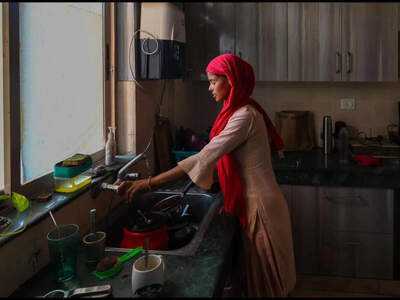
The revised Schedule 10.4 will collect information on own-use production of goods, unpaid household and caregiving work, volunteer activities and unpaid trainee work.
These questions will be asked during the first visit in both rural and urban areas. They will cover people aged 15 years and above.
The new questions will allow the NSO to report annually on activities that are not usually captured in conventional employment data. The information is also expected to provide a wider picture of unpaid and non-market work and its contribution to households and communities.
The NSO has invited comments and suggestions on the proposed changes. Policymakers, researchers, academic institutions and members of the public can submit their views within 15 days of the press note’s publication.
The changes will be introduced when the NSO draws fresh samples for the two-year period 2027-2028, known as Panel 6.
Contact to : xlf550402@gmail.com
Copyright © boyuanhulian 2020 - 2023. All Right Reserved.