
Across the United States, former gold, coal and other mines are becoming important refuges for bats and other wildlife. Their tunnels, shafts and crevices can provide shelter in areas where natural caves are limited. However, unstable structures and environmental hazards make these sites dangerous for people and potentially harmful to ecosystems.
Bat Conservation International (BCI) works with state and federal agencies to protect these underground habitats while reducing the risks they pose. Keeping people out of dangerous mines while allowing wildlife to use them remains a key challenge. Special barriers called ‘ bat gates ’ address this problem by blocking human access while allowing bats to fly in and out freely. At the same time, a national inventory is being developed to map abandoned mine features, identify potential hazards and help authorities prioritise sites that need safety measures.
How conservationists are protecting bats in abandoned US mines According to Bat Conservation International, its Abandoned Mine Lands (AML) programme works with state and federal agencies to protect people and wildlife at abandoned mining sites. The programme supports the safeguarding process, from identifying mines and conducting biological and cultural surveys to meet environmental requirements and building closures.
Before entering a mine, the team first assesses whether it is safe to proceed. Specialists then search for bats and signs of their presence, such as guano and piles of insect wings left behind after feeding. They also record historical and archaeological evidence found at the site. These surveys help identify valuable underground habitats while preserving evidence of the mines’ past.
The surveys help authorities reduce risks to people while protecting the underground habitats that bats and other wildlife rely on for shelter. 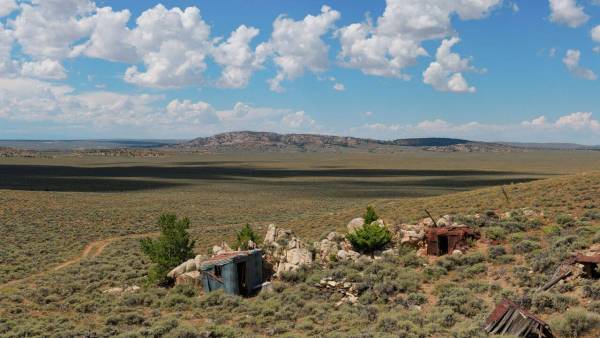
Abandoned mines are providing shelter for bats and other wildlife
Dark, enclosed spaces make former mines suitable habitats for a wide range of wildlife. Bats that usually roost in caves and cavities may rely on these underground sites in areas where natural caves are limited. Mines can offer additional roosting options and reduce competition for shelter.
Their isolation can provide wildlife with shelter in places where human disturbance is less frequent. This is especially important during hibernation, when human activity can make it harder for bats to survive the winter. Bat Conservation International (BCI) has recorded many other animals using these sites, including foxes, bobcats, weasels, ringtails, coati, javelina, snakes, frogs, owls, swallows, and insects. Some mines also support distinct underground microbial communities.
Which bat species live in abandoned mines across the United States
Several cave-roosting bat species use abandoned mines, particularly in the western United States. BCI identifies Townsend’s big-eared bats, California leaf-nosed bats, pallid bats, big brown bats, and various Myotis species among those frequently found in mines.
Nectar bats are also occasionally spotted, especially in the southwest. The distribution of abandoned mines reflects the country's mining history. Coal mines occur throughout the United States but are most common in the east.
The west has a particularly high concentration of abandoned mines, with estimates ranging upwards of 500,000. Many date to the 1800s and early 1900s, although some mining activities are much older.
Balancing public safety with wildlife conservation
Abandoned mines can contain unstable rocks, poisonous gases, and dangerous drops. Open shafts and tunnels may also collapse, while some sites create environmental hazards such as acid mine drainage, which can contaminate soil and water.
According to the US Geological Survey (USGS), its USMIN project is building a national inventory of abandoned hardrock mine features using information from federal, state and tribal agencies. The inventory aims to improve risk assessment, support land management decisions and help prioritise hazard mitigation and ecosystem restoration .
At individual sites, bat gates provide one way to address safety concerns without removing wildlife habitat. Their horizontal bars allow bats to fly through while preventing people from entering. The approach helps authorities balance public safety with the protection of underground ecosystems.
Contact to : xlf550402@gmail.com
Copyright © boyuanhulian 2020 - 2023. All Right Reserved.