Modern detergents are designed to clean effectively at lower temperatures, so washing in cold water can remove most everyday dirt without compromising results, according to Noah Pinsonnault, a review analyst at the Good Housekeeping Institute.
It can also help reduce fading, shrinkage and fabric damage while lowering energy consumption.
Here are seven types of laundry that experts recommend washing in cold water.
Dark and brightly colored clothes
Cold water helps prevent dyes from bleeding, reducing the risk of color transfer and helping garments stay vibrant for longer.
“Dark or brightly coloured garments are good candidates because cold water helps minimise colour transfer and fading,” Good Housekeeping quoted Noah as saying.
Denim
Jeans and other denim garments are also best washed in cold water. Lower temperatures help preserve the fabric’s original color and reduce dye loss, especially with darker denim.
Turning denim inside out before washing can protect the outer surface, while using a shorter or gentler cycle helps limit wear. Air-drying can further reduce fading and fabric stress.
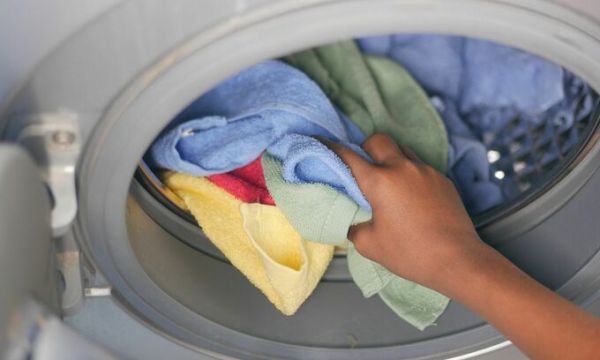
Colored towels being put inside a washing machine. Photo from Pexels |
Delicate fabrics
Fabrics such as lace, silk and satin require gentler handling because they can snag, stretch or become damaged during a normal machine cycle.
Machine-washable delicates should be placed in a mesh laundry bag and washed in cold water on a delicate setting.
The bag helps protect them from zippers, hooks and rougher fabrics, while gentler agitation places less strain on fine fibers.
Activewear
Many workout clothes contain spandex, or elastane, which provides stretch and flexibility.
Repeated exposure to high temperatures can weaken elastic fibers and cause activewear to lose its shape over time.
Cold water combined with a gentle cycle is therefore recommended. Areas prone to sweat and odor can be pretreated, while specialized sportswear detergent may help remove oils and lingering smells from synthetic fabrics.
Swimwear
Swimsuits are especially sensitive to heat because their elastic fibers can deteriorate, leading to stretching and loss of shape.
Cold water helps preserve both color and elasticity while reducing friction that may cause pilling.
Hand-washing in cool water is usually the safest option. If the garment is machine-washable, placing it in a mesh bag and using a delicate cycle can provide additional protection.
Knitwear
Knitted clothing, particularly wool garments, can shrink or become misshapen when washed in warm or hot water.
Machine-washable knitwear should be turned inside out and cleaned in cold water on a gentle cycle.
After washing, it is better to lay knitwear flat to dry. Hanging a wet knitted garment can cause it to stretch under its own weight.
Clothes with untreated stains
When the cause of a stain is unknown, cold water is generally the safest place to start. Heat can permanently set certain stains, especially protein-based marks such as fresh blood, making them more difficult to remove later.
Rinse or soak the garment in cold water, identify the stain if possible and apply a suitable pretreatment before washing.
Most everyday stains can be treated with cold water, though stubborn marks may eventually require a warmer setting if the fabric allows it.
Before putting the garment in a dryer, make sure the stain has disappeared completely, since dryer heat can set any remaining residue.
Cold-water washing also has an energy-saving benefit. Since washing machines use much of their energy to heat water, choosing a cold cycle can significantly reduce electricity consumption.
Contact to : xlf550402@gmail.com
Copyright © boyuanhulian 2020 - 2023. All Right Reserved.