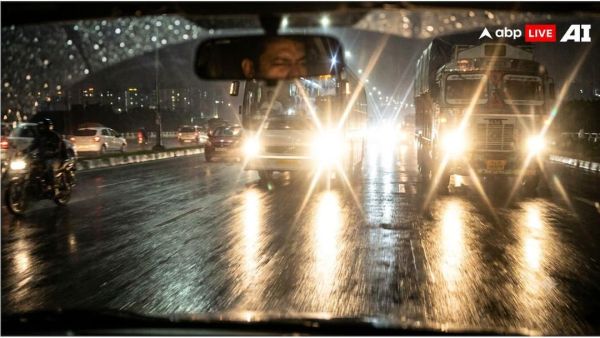
The Ministry of Road Transport and Highways (MoRTH) has proposed several changes concerning headlight intensity, high-beam usage and the visibility of buses and heavy vehicles. The proposed measures are aimed at reducing glare and improving visibility for motorists driving at night.
If implemented, the changes could affect everything from the way headlights operate on new two-wheelers to the maximum intensity and colour temperature permitted for vehicle lighting.
New Two-Wheelers May Be Restricted To Low Beam
Under the proposal, new two-wheelers could be required to have automatic headlights that operate only on low beam. The headlamp would switch on automatically but would normally remain on low beam under regular driving conditions.
Existing two-wheelers would not fall under this proposed requirement. The measure is intended to reduce unnecessary use of high beams, particularly in situations where they can cause glare for oncoming motorists.
Headlight Intensity Limits Could Be Reduced
The government is also considering lowering the maximum permitted intensity of headlights.
For two-wheelers, the proposed limit could be reduced from 1.5 lakh candela to 1 lakh candela. For cars, the limit could come down from 2.25 lakh candela to 1.5 lakh candela.
The objective is to prevent headlights from producing excessive brightness that can shine directly into the eyes of drivers approaching from the opposite direction.
Headlight Colour Temperature May Be Capped
The proposed changes do not focus only on brightness. The government is also considering a limit on the colour temperature of headlights.
Under the proposal, the colour temperature could be capped at 6,500 Kelvin. In simple terms, the move seeks to regulate extremely bright white or bluish light that can contribute to discomfort and glare for other road users.
High-Beam Use In Cities Could Trigger An Alert
Another proposed change involves high-beam usage in urban areas. Vehicles could be equipped with an audio alert to warn drivers when they use high beam in situations where it is not considered necessary.
The proposal would not require the alert to operate when a vehicle is travelling at more than 60 kmph on a highway. This is intended to prevent unnecessary warnings from becoming a distraction during high-speed highway driving.
Reflective Tape Proposed For Buses, Heavy Vehicles
The government is also looking at making reflective tape mandatory on buses and heavy vehicles for use at night and during poor weather conditions.
The reflective markings would make large vehicles easier to identify in darkness, rain, fog and other low-visibility conditions. This could help drivers approaching from behind or travelling nearby recognise the presence of buses and heavy vehicles sooner.
Why Are The Headlight Changes Being Proposed?
Glare from oncoming headlights can temporarily affect a driver's ability to see the road, pedestrians or other vehicles. The problem can become particularly difficult for two-wheeler riders, who do not have the protective body structure of a car around them.
The proposed changes therefore go beyond simply reducing headlight brightness. They seek to improve overall visibility on roads by regulating lighting, discouraging unnecessary high-beam use and making large vehicles more visible in difficult conditions.
When Could The New Rules Come Into Effect?
The changes are currently only proposals. MoRTH has invited suggestions and objections from stakeholders within 30 days as part of the process.
Once the consultation and other formal procedures are completed, the rules could be finalised. The proposed changes are being prepared for implementation from next April, meaning motorists could eventually face new standards governing not only how bright their headlights can be but also how that light affects other road users.
Contact to : xlf550402@gmail.com
Copyright © boyuanhulian 2020 - 2023. All Right Reserved.