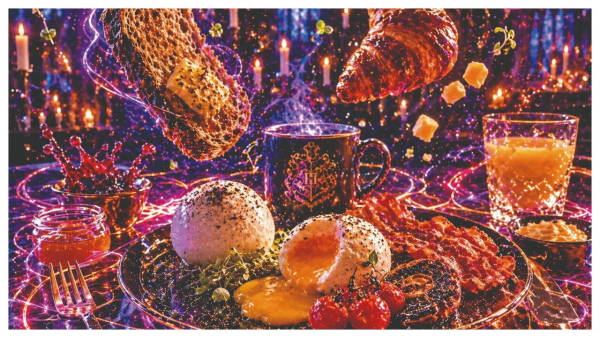
Twenty-seven years since the first book released, 25 since the first film – but Potter mania refuses to wear off – call it magic, maybe? From characters and spells to storylines and food, Potterheads remember every detail. We ask chefs to imagine, what would wizarding food look like today?
For chefs, it’s all about reinterpretation — where nostalgia remains intact and is cherished, but everything else around it evolves. For Chef Ishijyot Surri, that emotional core is non-negotiable. “Butterbeer means warmth, comfort, a sense of belonging — and that emotion is non-negotiable.” His approach is clear: “I keep the soul intact and play with everything around it: the ingredients, the texture, the presentation.”
Chefs are refining how we experience memory, culture, and magic on a plate, and Harry Potter food is no different. Chef Pooja Sachdev, Co-Founder & Creative Head, Gourmetly Yours, shares, “It is about preserving the emotional quotient while elevating it through a contemporary lens. Today, I would take a minimal yet intentional approach to the classic, much-loved dishes from Harry Potter. I would recreate Butterbeer with a play of textures like light and airy malted foam, crisp caramel shards, and chewy butterscotch pearls, served in glassware that feels both modern and slightly whimsical. I lean towards a subtly “magical” aesthetic, with thoughtful details and props that evoke the enigma of Hogwarts , making the dish immersive and share-worthy without appearing overly modern.”
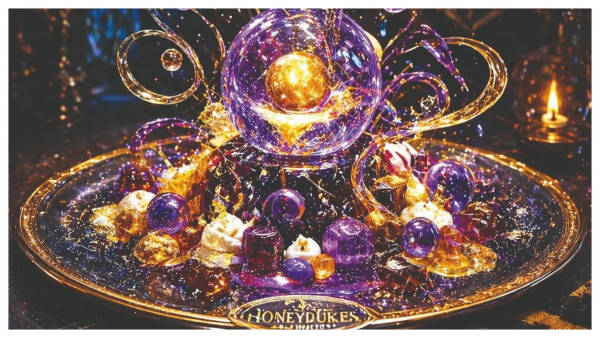
'People want layers and depth in their food'
Chef Aanal Kotak echoes this balance between memory and modernity. “You don’t recreate these dishes exactly — you capture the emotion and translate it for today’s diner.” The shift shows up in ingredients and intent. As chef Ishijyot puts it, “It’s less about piling things on a plate and more about each element having a reason to be there.”
Pastry chef Tanya Verma sees this evolution unfolding in real time. “The sugar would calm down, and the personality would show up… People are done with things that are just sweet. They want layers, depth, and they want to taste the actual ingredient.” Visually, too, the change is undeniable: “Everything now is intentional, editorial, organic-looking, but clearly crafted. The kind of thing that stops a scroll before your brain even processes why.”
That tension between recognisability and reinvention is crucial. Chef Kranti Mala Ray shares, “Recognisability comes from preserving emotional and flavour anchors; innovation succeeds when it quietly enhances clarity, balance, and pleasure without disrupting the spell.” Even with global influences, restraint is key: “Yes of course, matcha, yuzu, and specialty cocoa all belong, but only when they behave like secrets, not statements. The frog should still taste like chocolate first.”
Chef Kenneth Gopinath believes thoughtfulness in innovation is important. “I’d use ingredients in a way that feels intentional, not just trendy… The idea is to make each bite feel slightly unexpected — like it’s evolving as you eat it.” The result is food that feels both familiar and new.
Chefs believe that indulgence itself is also being redefined today. “Low-sugar and ‘clean’ desserts matter only to the extent as they support pleasure,” says chef Kranti. Chef Tanya adds, “The magic of a great dessert is that it should feel like a treat, not a transaction with your health.” Today’s desserts are less about excess and more about balance, clarity, and satisfaction.
Plating attracts attention
Of course, wizarding food has always been tied to spectacle — but even that is evolving. “The magic should feel accidental, as if the food is quietly alive,” chef Kranti says. For chef Kenneth, the experience is key: “Smoke reveals, edible bubbles, sauces that change colour… something that makes you grab your phone as soon as the food arrives on the table.”
Plating and storytelling now play a defining role. “Plating attracts attention and storytelling sustains belief,” chef Kranti says.
Social media has amplified how plating and storytelling now play a defining role. “Social media does not just drive demand, it creates it from scratch,” says chef Tanya. Kenneth adds, “If something doesn’t visually stand out, it almost doesn’t exist… The real win is when a dish is scroll-stopping and genuinely delicious.”
Localisation, says chef Kenneth, “is about translating, not replacing.” Chef Aanal adds, “Localisation is about making the dish feel familiar without losing its essence.” That is where Indian ingredients and processes like jaggery, millets, and fermentation fit seamlessly into this narrative.
And if Hogwarts had a kitchen in India today? Chef Tanya imagines it as “the meeting point of comfort and curiosity… familiar enough to feel like home, surprising enough to feel like somewhere else entirely.”
What chefs feel:
1.When I’m recreating something like Treacle Tart or a wizarding sweet, I’m trying to make it more honest. Dates, coconut sugar, roasted fruit, nut-based creams are more interesting than refined sugar. The flavour is more layered. The guilt is gone. A clean dessert done well should taste more indulgent than the original, not less.
-Chef Ishijyot Surri
2. Food in the Harry Potter series has always carried a sense of nostalgia and abundance, but it would naturally evolve with current values and innovations.
-Chef Roshan Tadadikar
3.Plating and storytelling are at least 50% of why a dish succeeds today. Storytelling gives people a reason to care before they even take a bite.
-Chef Tanya Verma
4.Gen Z is quite open to cross-cultural flavours, but they can tell when it’s forced. It’s about creating combinations that feel balanced, slightly experimental, and still addictive enough to finish the whole box.
-Chef Kenneth Gopinath
Contact to : xlf550402@gmail.com
Copyright © boyuanhulian 2020 - 2023. All Right Reserved.